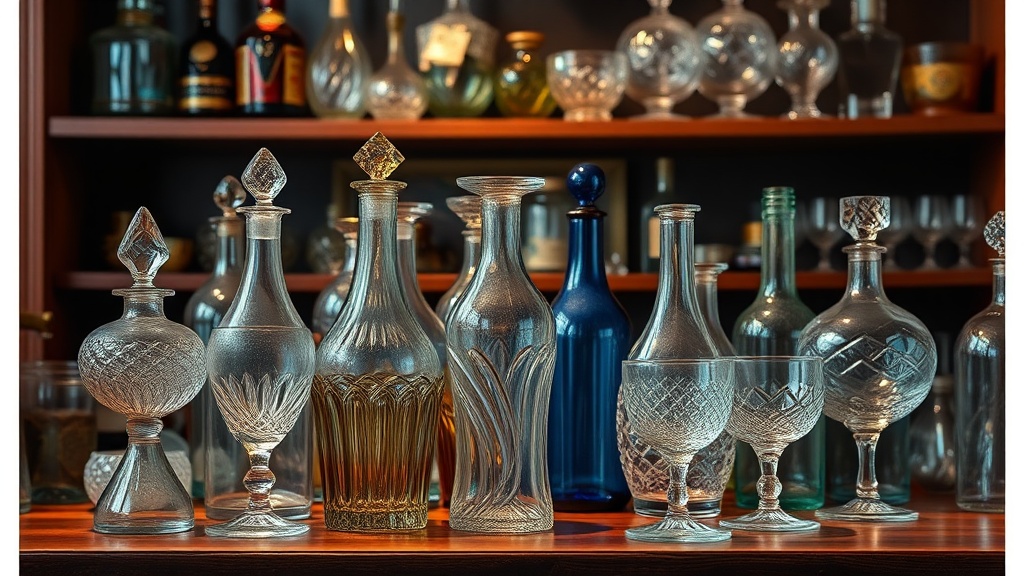
Determining the Value of Vintage Glassware and Bottle Sets

Why some bottles command a premium while others sit in bins
A single cobalt blue glass bottle from the 1800s can fetch thousands of dollars at auction, while a seemingly identical bottle from a more recent era might not even cover the cost of shipping. This massive price gap isn't random; it's a direct result of how collectors weigh rarity, condition, and historical context. Understanding these variables is the difference between a hobby that grows in value and one that simply accumulates dust. When you're looking at a shelf of glass, you aren't just seeing containers—you're looking at a complex intersection of manufacturing history and consumer demand.
The market for vintage glass is notoriously fickle. A piece that is highly sought after one year might see a dip in interest the next as trends shift. However, certain constants remain. For instance, the presence of an intact seal or a specific maker's mark can drastically change the math. If you're looking at a collection of vintage soda bottles or apothecary jars, you've got to look past the surface. A scratch might seem minor, but in the world of high-end glass collecting, a single imperfection can strip away a significant portion of the item's perceived worth.
What makes a glass bottle rare?
Rarity isn't just about how few exist in the world; it's about how many are currently available to collectors. A bottle might have had a massive production run in 1920, but if most of them were broken or discarded, the surviving examples become rare. We look at three specific factors to determine this: production volume, survival rates, and historical significance. For example, hand-blown-mouth-finished bottles from the mid-19th century are naturally rarer than machine-made bottles from the early 20th century because the manual labor involved kept production numbers low.
When you're hunting at flea markets or estate sales, keep an eye out for these indicators of rarity:
- Color: Unusual colors like deep amber, true cobalt, or rare emerald greens often command higher prices.
- Pontil Marks: A mark left by a tool on the bottom of the bottle suggests it was hand-blown, a huge indicator of age.
- Seal Type: The way the bottle was closed—whether with a cork, a glass stopper, or a metal cap—tells a story of its era.
- Manufacturer Marks: Any embossed text or logos that identify a specific company or a defunct soda brand.
If you want to research specific historical glass types, the Center for Museum of Art and Design offers excellent resources on historical manufacturing techniques. Checking these details ensures you aren't overpaying for a common piece that's being passed off as a rarity.
How do I check the condition of my glass?
Condition is the most subjective part of the process, but it's also the most punishing. You might find a beautiful antique bottle, but if it has a "bruise" (a small chip on the rim) or a "flea bite" (tiny chips along the edge), the value drops. Collectors often use a flashlight to inspect the glass from multiple angles. You're looking for more than just cracks; you're looking for internal flaws like bubbles (seeds), streaks, or uneven thickness that occurred during the original cooling process.
Here is a quick guide to common glass flaws and their impact on value:
| Flaw Type | Description | Impact on Value |
|---|---|---|
| Seam-less | No visible vertical seam from the mold. | Increases value for pre-mold era pieces. |
| Internal Crack | A crack inside the glass body. | Drastically reduces value; often a dealbreaker. |
| Iridescence | A shimmering, oily look on the surface. | Can increase value if it's natural aging. |
| Cloudiness | White or hazy interior caused by moisture. | Reduces value; difficult to clean without damage. |
Avoid using harsh chemicals to clean out these items. A simple soak in distilled water is usually enough. If you use abrasive tools, you'll create micro-scratches that ruin the clarity, making the piece look much older and more worn than it actually is. A clear, bright piece is always worth more than a dull, scratched one.
Can I sell my collection for a profit?
The short answer is yes, but you can't just list a bottle on an auction site and expect top dollar. To move a collection, you need to understand your audience. Are you selling to general antique enthusiasts or specialized collectors? Specialized collectors will pay more, but they are also much more critical of the details. They will notice a tiny chip on a base that a casual buyer would miss entirely. If you're selling to the general public, you might get more volume, but your profit margins will be slimmer.
Before you list anything, gather your data. Use a site like APSIDA to understand how high-end auctions handle descriptions and provenance. A bottle with a documented history—meaning you know exactly where it came from and when it was made—is worth significantly more than an "anonymous" antique. If you have a set of matching bottles, they are almost always more valuable as a complete unit than as individual pieces. Breaking up a set is a common mistake that leaves money on the table.
Keep your records organized. If you're keeping a collection for the long haul, document every piece's origin and any notable characteristics. This isn't just about being organized; it's about building a pedigree for your items. Whether you're a casual collector or someone looking to build a serious inventory, treating your glass with the same respect you'd give a fine painting is the best way to protect your investment.