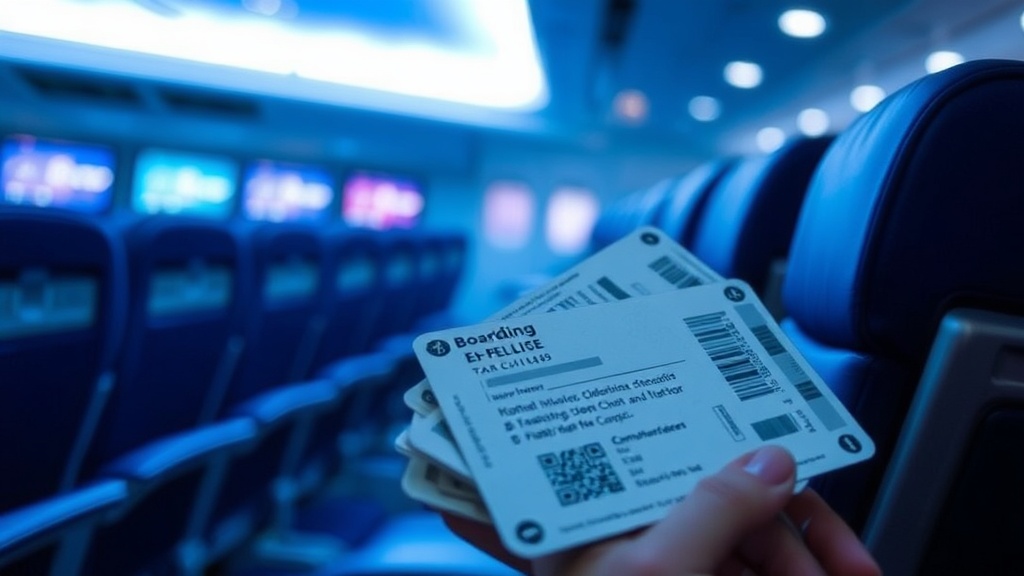
How to Protect Your Boarding Pass Collection from Fading

Quick Tip
Always use acid-free, archival-grade sleeves and store boarding passes away from direct sunlight to prevent ink fading and paper yellowing.
Fading ruins boarding passes. UV light, humidity, and cheap plastics turn vibrant tickets into washed-out ghosts within years. This guide covers proven storage methods, archival supplies that actually work, and the specific mistakes that destroy paper collectibles. Whether the collection spans decades or just started last month, these steps will keep those passes sharp.
Why do boarding passes fade over time?
Thermal paper and ink-jet prints deteriorate through photodegradation. Direct sunlight breaks down dye chemicals in thermal coatings in as little as six months. Even indoor light—fluorescent bulbs included—triggers slow fading. Add humidity above 60% and you've got a recipe for ink bleed, paper buckling, and eventual mold. (Yes, mold on paper. It's as bad as it sounds.)
The culprits stack up fast:
- UV exposure: Windows, display cases, even bright rooms
- Acid migration: Cheap cardboard and PVC leach chemicals
- Humidity swings: Basements and attics are the worst offenders
- Handling oils: Fingers leave residue that attracts dirt
Worth noting: older boarding passes (pre-2010) often used higher-grade paper stock. Modern thermal tickets? Far more fragile.
What's the best way to store boarding passes?
Archival-grade sleeves in acid-free binders, stored flat in a climate-stable room. The Library of Congress preservation guidelines recommend 65°F and 35% relative humidity for paper collections—tough to hit perfectly, but basements and attics fail spectacularly. A closet in a living area usually works fine.
Here are the non-negotiables:
- Archival polyester sleeves—not vinyl, not cheap sheet protectors. Look for Gaylord Archival or BCW Supplies museum-grade polyester (Mylar/Diafoil).
- Acid-free storage boxes—if binders aren't your style, drop the passes into archival file folders inside a document box.
- Handle with cotton gloves—or at minimum, clean hands and edges-only contact.
The catch? "Archival" gets slapped on everything now. Check for ISO 18916 compliance or "passed the Photographic Activity Test (PAT)" before buying.
Which storage options work best?
Binders win for accessibility. Boxes win for long-term storage. Here's the breakdown:
| Method | Best For | Cost (per 100 passes) | Protection Level |
|---|---|---|---|
| Ultra-PRO Platinum Pages | Active collections, frequent viewing | $15–$20 | Good (polypropylene, acid-free) |
| BCW 3-Ring Binder Pages | Budget builds, high volume | $8–$12 | Good (archival polyester) |
| Gaylord Archival Document Box | Long-term storage, rare items | $25–$40 | Excellent (buffered board, lignin-free) |
| Clear File 12x12 Album | Mixed collections (passes + photos) | $30–$45 | Good (polypropylene, non-PVC) |
That said, the biggest mistake isn't the supplies—it's the location. A $50 archival box in a sunny window defeats the purpose. Store passes away from exterior walls, never in direct light, and check on them yearly. Rotating displayed items every few months prevents uneven fading.
One more thing: digitize. Scan at 600 DPI, back up to cloud storage, and keep those files separate from the physical collection. Even the best preservation can't stop time—but duplicates ensure the memory survives.