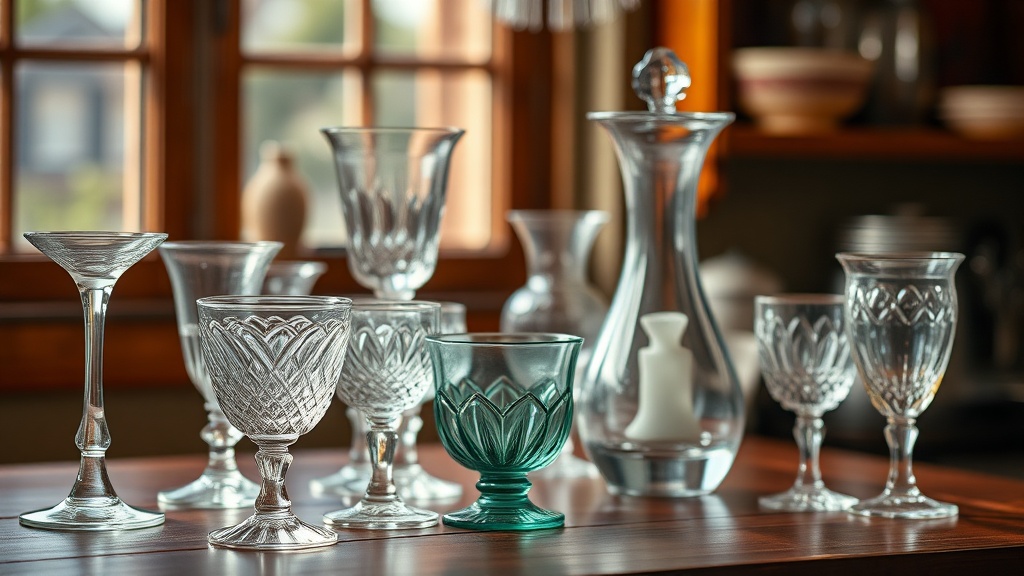
Keeping Your Vintage Glassware Clear and Bright

You'll learn how to remove stubborn residue and maintain the clarity of vintage bottles without causing permanent damage.
Collectors often face the frustration of a beautiful vintage bottle looking dull or clouded due to years of grime or mineral buildup. This guide covers the specific methods for cleaning glass and metal caps to ensure your collection stays as bright as the day you found it. We'll look at safe solvents, mechanical cleaning risks, and why some residues are actually permanent features of the object.
A cloudy bottle can ruin the aesthetic of a display case. Whether it's a vintage soda bottle or an old apothecary jar, the goal is to get back to that original transparency. However, you can't just scrub everything with harsh chemicals; you might end up stripping away the very thing that makes the piece valuable. We're talking about surface-applied finishes, printed labels, or even the glass itself.
How do I clean a cloudy vintage bottle safely?
The most common culprit for cloudiness is mineral buildup from hard water or old residue inside the vessel. If you're dealing with internal cloudiness, a soak in a mild solution is usually the best bet. Avoid using abrasive sponges—they'll leave micro-scratches that catch the light in a way that looks much worse than the original grime. Instead, try these steps:
- Distilled Water Soak: If the cloudiness is from water minerals, a long soak in distilled water can sometimes loosen the bond.
- Mild Detergent: A tiny amount of pH-neutral soap (nothing with citrus or heavy perfumes) goes a long way.
- The Vinegar Method: For stubborn mineral scales, a diluted white vinegar solution works well, but don't let it sit for more than an hour. Long-term exposure to acid can actually etch certain types of older glass.
Always remember that "clean" shouldn't mean "new." If a bottle has a certain patina or a bit of aged dust, that's part of its history. We're aiming for a clear view, not a sterile, factory-fresh look that removes the character of the piece.
Can I use ultrasonic cleaners on collectible glass?
Ultrasonic cleaners are popular in the jewelry world, but they are a gamble for collectors of bottles and caps. These machines use high-frequency sound waves to create cavitation bubbles. While this is great for getting into tiny crevices on a metal cap, it can be dangerous for vintage glass. If the glass has microscopic fractures or structural weaknesses—common in older, hand-blown or molded pieces—the vibration can cause it to shatter. If you decide to use one, start with a very short cycle and test a less valuable piece first. You can find more technical details on how cavitation works at Britannica to understand the physical impact on materials.
When it comes to metal caps, the ultrasonic method is often safer, provided the cap isn't heavily rusted. If you're trying to clean the underside of a cap where residue has hardened, the vibration can help loosen the gunk without heavy scrubbing. Just watch out for any thin coatings or paint that might flake off under the stress of the vibrations.
What is the safest way to clean metal bottle caps?
Metal caps are notoriously tricky because they often have paint, embossing, or even thin layers of tin that can peel. If you're dealing with a cap that has stuck-on residue or a bit of oxidation, avoid the heavy-duty degreasers you'd use in a garage. They're too aggressive for a collection. Instead, focus on a gentle approach:
- Isopropyl Alcohol: A cotton swab dipped in high-percentage isopropyl alcohol is perfect for removing sticky residue or small spots of grime. It evaporates quickly and won't leave a film.
- Warm Water and Soft Cloth: For general dust or light grime, a damp (not soaking) cloth is your best friend.
- Avoid Steel Wool: This is the golden rule. Steel wool will strip the finish off a metal cap instantly. If you need more grit, use a very fine grade of jeweler's rouge or a specialized metal polish, but apply it sparingly.
If the metal is actually oxidizing (rusting), you're in a tougher spot. Rust is a sign of structural decay. A light touch with a specialized metal cleaner can help, but much of the time, a bit of oxidation is a permanent part of the item's "age-appropriate" look. Don't try to make a 50-year-old cap look brand new; you'll just destroy the value.
The goal is to maintain the item's integrity. If you're ever unsure, a simple test on a small, inconspicuous area is a smart move. For example, if you're cleaning a bottle with a printed label, test a tiny bit of your cleaner on the very bottom of the glass first. If the color runs or the glass turns dull, stop immediately. A little bit of caution goes a long way in preserving these small, tactile pieces of history.
For those interested in the chemical properties of cleaning agents, the Chemistry World archives offer plenty of insight into how different substances react with various surfaces. This can be a helpful resource when you're trying to figure out if a certain solvent is too harsh for your specific collection.