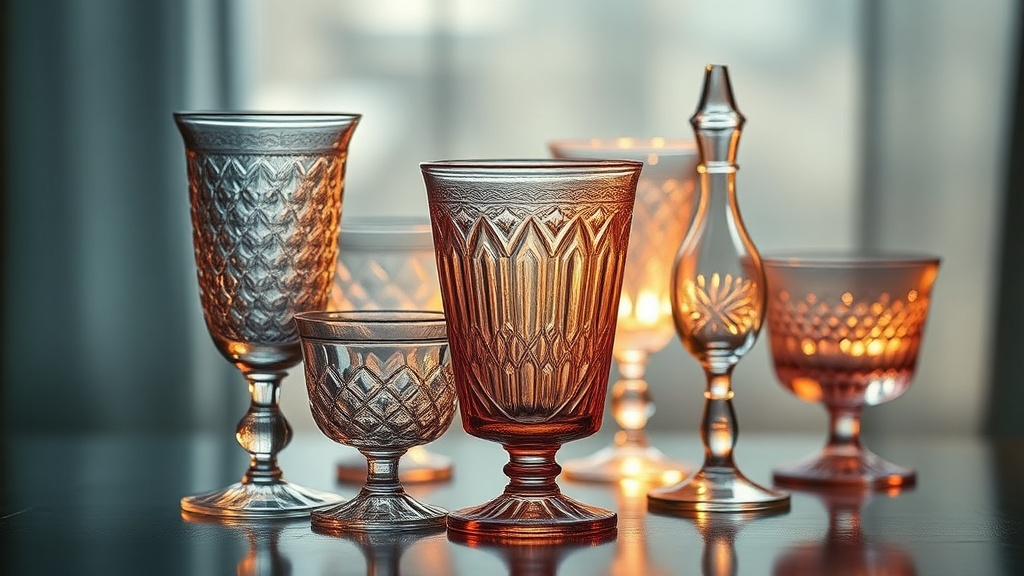
Protecting Your Vintage Glassware from Light Damage

What You'll Learn About Preserving Glassware Integrity
This post explains how to prevent UV damage, heat issues, and structural degradation in your bottle and glassware collections. You'll learn the specific ways light interacts with colored glass and how to build a storage environment that keeps your pieces looking exactly as they did the day you found them.
If you collect vintage soda bottles, apothecary jars, or colored glass, you've likely noticed how a single afternoon in a sunny window can change the look of an item. Light isn't just a visual element; it's a physical force. Photodegradation can strip the pigment from certain types of glass, making a vibrant cobalt blue look dull or a deep amber look washed out. This isn't just about aesthetics—it's about preserving the long-term value of your pieces. When you're hunting for rare finds, the last thing you want is to realize your prize piece has faded due to poor placement.
Can Sunlight Fade Colored Glass Bottles?
The short answer is yes, but the way it happens depends heavily on the type of glass you own. Most vintage glass is quite stable, but certain chemical additives used to color the glass can be sensitive to high-energy UV rays. For example, some older glass types used organic dyes or specific metallic oxides that can react to prolonged light exposure. While most soda-bottle glass is quite durable, constant exposure to direct, harsh sunlight can lead to a phenomenon known as "solarization." This is where the glass undergoes a chemical change, often resulting in a slight tint shift or a loss of clarity.
Beyond the color, heat is a major factor. If you display your glass near a window, the thermal expansion and contraction caused by shifting sunlight can create micro-fractures. This is especially true for thicker, heavy-bottomed bottles. You might see a crack appear suddenly—not because you dropped it, but because the temperature swings were too aggressive. To avoid this, always keep your most sensitive items away from direct light paths. Even if the glass looks fine now, the cumulative effect of heat and light is a slow process that eventually catches up with your collection.
"The goal isn't just to see your collection, but to ensure it stays vibrant for the next generation of collectors."
When choosing a display, consider the angle of the sun in your specific room. A shelf that looks perfect at 10:00 AM might be a heat trap by 2:00 PM. It's smart to use UV-protective films on your windows if you have a dedicated display area. These films act as a shield, blocking the most harmful wavelengths without sacrificing the natural light in your home. This is a much better approach than simply keeping the room dark, which can make a collection feel uninviting.
How Do I Store Glass Safely Without Sunlight?
If you aren't displaying your items on open shelving, you have several great options for safer storage. Darkening your display area is the most effective way to prevent light-related issues. If you use a cabinet, look for solid wood doors rather than glass ones. If you prefer the look of a glass-front cabinet, you can apply a light UV-resistant coating to the glass or use interior lighting that doesn't emit high levels of UV radiation. LED lights are a fantastic choice here because they produce very little heat and almost no UV radiation compared to older incandescent or halogen bulbs.
For items that are not currently on display, airtight containers or specialized storage bins are your best bet. Keeping your bottles in a controlled environment prevents both light damage and dust buildup. If you're storing a large volume of pieces, a temperature-controlled room or a basement (provided it's dry) is ideal. You can find more technical details on how different materials react to light at the Library of Congress archives or by researching museum-grade preservation standards. A controlled environment is the difference between a collection that looks old and a collection that looks well-preserved.
Is Humidity a Problem for My Glass Collection?
While glass itself is largely unaffected by humidity, the environment around it matters. If you are storing glass alongside metal caps or labels, high humidity is a serious threat. Moisture can lead to oxidation on metal components, which can eventually leach onto the glass surface or cause staining. If you're a collector of both bottles and caps, you need to ensure your storage area stays dry. A dedicated dehumidifier is a worthwhile investment if you live in a damp climate. Keeping the air stable prevents the cycle of moisture buildup that can ruin a display-ready piece.
When setting up your display, avoid placing your glassware near sinks, humidifiers, or damp walls. Even if the glass is fine, the labels or any accompanying paper elements will degrade quickly in high moisture. This is why many collectors prefer to keep their "smalls" and paper-heavy items in separate, climate-controlled zones. By managing both light and humidity, you're covering the two biggest threats to your collection's longevity. It's about being proactive rather than reactive once a problem has already occurred.
- Check your light levels with a UV meter if you're truly worried about fading.
- Use LED lighting to minimize heat and UV exposure.
- Always store glass in a dry, stable environment to protect accompanying labels or caps.
Managing a collection is about more than just finding things; it's about keeping them. Whether you're a casual hobbyist or a serious investor, these small adjustments to your storage habits will make a massive difference in how your pieces age. Take the time to look at your display through the eyes of a preservationist, and your collection will thank you for it.