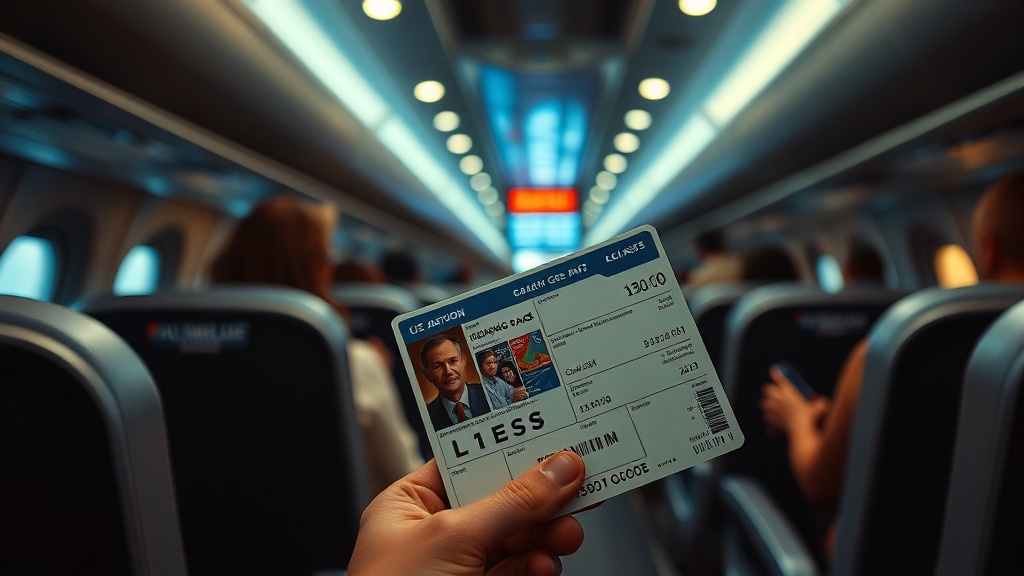
The Rise of Boarding Pass Collecting: A Niche Worth Exploring

Boarding pass collecting has emerged from the shadows of philately and numismatics into a vibrant, growing niche within the paper ephemera community. This post explores what drives collectors to pursue these disposable travel artifacts, how to evaluate a pass's worth, where to find rare specimens, and the best methods for preservation. Whether you're a seasoned collector of Bottles, Caps & Smalls looking to diversify or a frequent flyer wondering if that stack of old tickets holds hidden value, you'll find actionable guidance here.
What is boarding pass collecting and why do people do it?
Boarding pass collecting is the systematic acquisition, categorization, and preservation of airline tickets — both the vintage paper variety and modern thermal-printed boarding cards — as collectible artifacts. Collectors are drawn to this hobby for reasons ranging from nostalgia and design appreciation to historical documentation and investment potential.
The appeal runs deeper than you might expect. Each pass represents a moment in aviation history. A 1960s Pan Am boarding card whispers of the Jet Age glamour. A faded Aeroflot ticket from 1989 captures the final days of the Soviet era. These aren't just pieces of paper — they're time capsules.
Collectors often specialize. Some chase first flights — the inaugural service of a new route. Others hunt specific airlines (KLM's iconic blue cards or Singapore Airlines' orchid motifs). Some focus on defunct carriers like TWA, Eastern Air Lines, or the recently dissolved WOW Air. The specialization keeps the hunt manageable. Without focus? You'd drown in the sheer volume of material out there.
There's also the aesthetic factor. Mid-century airline tickets featured bold typography, foil stamps, and intricate border designs. Companies like Mohawk Fine Papers supplied premium cardstock that has aged beautifully — unlike today's flimsy thermal paper that fades to blank within months.
How do you start a boarding pass collection?
Starting a boarding pass collection requires minimal investment — often just your own travel history and a willingness to ask fellow passengers for their discarded tickets. The barrier to entry is refreshingly low compared to vintage bottle caps or antique smalls.
Here's the thing: most people treat boarding passes as trash. That's your advantage. Start by preserving your own travel documents. Use acid-free sleeves (the kind sold by BCW Supplies for sports cards work perfectly). Store them flat, away from sunlight and humidity.
Next, expand your network. Flight attendants can be goldmines — many save interesting passes from their routes. Airport staff at smaller regional airports often have access to archival material. eBay remains the primary marketplace, with search terms like "vintage airline ticket" or "first flight cover" yielding results. Expect to pay $5-$50 for common specimens. Rare items — think Concorde boarding passes or pre-war TWA tickets — command premium prices.
Worth noting: provenance matters. A boarding pass with matching luggage tags, ticket jacket, and itinerary booklet commands significantly more than a standalone card. Look for complete "ensembles" when possible.
What makes certain boarding passes more valuable than others?
Value in boarding pass collecting hinges on four factors: rarity, condition, historical significance, and aesthetic appeal. The most sought-after specimens combine all four.
Rarity stems from limited production runs. Inaugural flights — the first scheduled service on a new route — generate small batches of specially printed boarding passes. Defunct airlines create scarcity through extinction. A Midway Airlines pass from 1991 carries more weight than a contemporary Delta ticket because no more Midway passes will ever exist.
Condition standards mirror those in paper collectibles. Mint condition means no creases, stains, or fading. Near Mint allows minor handling wear. Anything below Very Good seriously impacts value — especially for modern thermal paper which degrades rapidly.
| Factor | High Value Indicators | Value Impact |
|---|---|---|
| Rarity | Defunct airlines, inaugural flights, limited routes | 10x-100x base value |
| Condition | Mint, no fading, complete with ticket jacket | 5x-20x over poor condition |
| Historical Significance | Pre-deregulation (pre-1978 US), wartime travel, celebrity association | Variable — provenance dependent |
| Aesthetic Appeal | Foil stamping, letterpress, iconic airline branding | 2x-5x over plain designs |
| Completeness | Boarding pass + ticket + luggage tags + envelope | 3x-10x over single item |
Historical significance elevates ordinary to extraordinary. A boarding pass from Pan Am Flight 103 (Lockerbie) exists in collections as a somber historical document. Tickets from the final flights of legendary aircraft — the Concorde's last journey, the Boeing 747's retirement routes — carry emotional and historical weight that transcends the paper itself.
Where can collectors find rare boarding passes?
Sourcing rare boarding passes requires a multi-channel approach combining online marketplaces, estate sales, aviation museums, and direct airline contact. The best finds rarely appear in obvious places.
eBay dominates the secondary market. Search strategies matter. "Boarding pass" yields millions of results — mostly modern junk. Refine with terms like "vintage airline ticket," "first flight cover," or specific airline names: "Braniff," "Eastern Air Lines," "TWA." Filter by "Vintage" to eliminate contemporary thermal paper listings.
Estate sales in aviation hubs — Seattle (Boeing country), Wichita (general aviation), Long Island (aviation history) — occasionally yield collections from retired pilots and flight attendants. These estate finds represent the holy grail: fresh-to-market material with provenance intact.
Aviation museums maintain gift shops and online stores with deaccessioned duplicates. The Museum of Flight in Seattle occasionally sells duplicate material to fund acquisitions. The Smithsonian's National Air and Space Museum doesn't sell artifacts but their publications document what to look for.
The catch? Modern thermal boarding passes (post-2000) rarely appreciate. The paper is unstable. The designs are generic. Focus on pre-1990 paper stock for serious collecting — or treat contemporary passes as disposable souvenirs rather than investments.
How should boarding passes be stored and displayed?
Proper storage of boarding passes requires acid-free materials, climate control, and UV protection — standard archival practices adapted for paper ephemera. The goal is preventing the yellowing, embrittlement, and fading that destroys unprotected collections.
Start with the right sleeves. Polypropylene (not PVC) sleeves prevent acid migration. Top-loaders work for rigid tickets; side-loading sleeves for standard boarding passes. Store vertically in archival boxes — never stack horizontally, which causes compression damage and makes retrieval difficult.
Climate matters. Ideal conditions mirror those recommended by the National Archives: 65°F temperature, 35% relative humidity. Basements and attics are death sentences for paper. A closet in a climate-controlled living space works for most collectors.
Display options range from simple to sophisticated. Standard 8x10 frames with UV-blocking glass showcase individual pieces. For larger collections, consider archival photo albums with acid-free pages — the kind produced by Gaylord Archival. Some collectors use shadow boxes with museum board backing, arranging tickets by airline or chronological travel history.
Thermal paper requires special attention. That faded receipt from last month's flight? It's not your imagination — thermal prints degrade through exposure to light, heat, and friction. Scan important modern passes immediately. The image outlives the original.
Boarding pass collecting rewards patience. Unlike bottle caps (which survive decades in dirt) or vintage smalls (built to endure), these paper artifacts are fragile. Each preserved pass represents a small victory against entropy. The collector becomes curator — protecting ephemeral moments of human mobility for future appreciation.