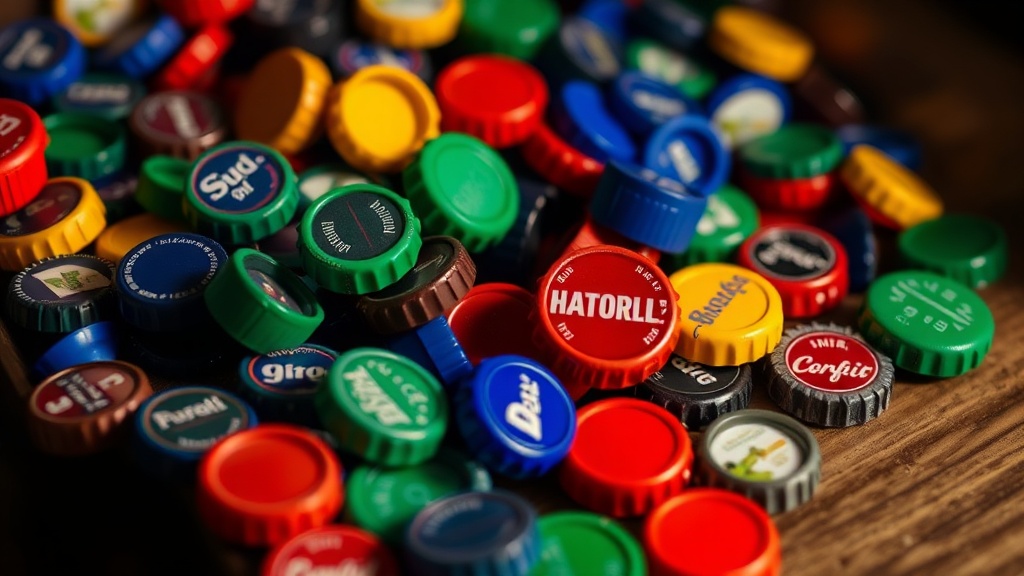
The Smart Way to Store Loose Bottle Caps Without Scratching Them

Quick Tip
Store loose bottle caps individually in small archival polyethylene sleeves inside a ring binder to prevent scratches, dents, and tarnish while keeping them fully visible.
What's the Best Way to Store Bottle Caps Long-Term?
The right storage method keeps bottle caps pristine. Scratching, denting, and color fade ruin a collection fast. This guide covers practical solutions for protecting caps—whether you've got fifty or five thousand.
Do Plastic Pages Actually Damage Caps?
Standard 3-ring binder pages can scratch caps over time. The rigid PVC in cheap pages creates micro-abrasions every time caps shift. Polypropylene pages from Ultra-PRO or BCW Supplies are safer—they're acid-free and softer.
Worth noting: even good pages need support. Place pages in binders lying flat, not upright. Gravity pulls caps against the plastic, creating pressure points that show years later.
What's Better—Pages, Boxes, or Tubes?
Each method has trade-offs. Pages display well but hold fewer caps. Tubes protect edges brilliantly yet hide designs. Boxes balance capacity with access.
| Storage Type | Capacity | Scratch Risk | Best For |
|---|---|---|---|
| Ultra-PRO Platinum Pages | 20 caps/page | Low | Display collections |
| BCW Storage Boxes | 400-800 caps | Medium | Bulk storage |
| Coin Tubes (39mm) | 20-25 caps | Very Low | Valuable singles |
| GoEarth Eco-Friendly Pages | 24 caps/page | Low | Sustainable collectors |
The catch? Most collectors use a hybrid approach. Pages for showpieces, tubes for crown jewels, boxes for duplicates.
How Do You Prevent Caps from Touching Each Other?
Contact points cause the worst scratches. Even caps stored "carefully" rub against neighbors when moved. Solutions exist at every price point:
- Individual sleeves: Soft polyethylene pockets from BCW slide over single caps. Slow to use, unbeatable protection.
- Felt-lined boxes: Custom dividers prevent movement. Gerstner machinist chests work beautifully— pricey, but heirloom quality.
- Foam inserts: Cut-to-fit foam from craft stores cradles caps snugly. Cheap and surprisingly effective.
Here's the thing: temperature matters more than most realize. Caps stored in garages or attics expand and contract, rubbing against whatever contains them. A climate-controlled closet beats fancy storage in hostile environments.
That said, don't overthink the perfect system. Start with what prevents contact, upgrade as the collection grows, and handle caps by the edges—not the face. Small habits compound into pristine collections.