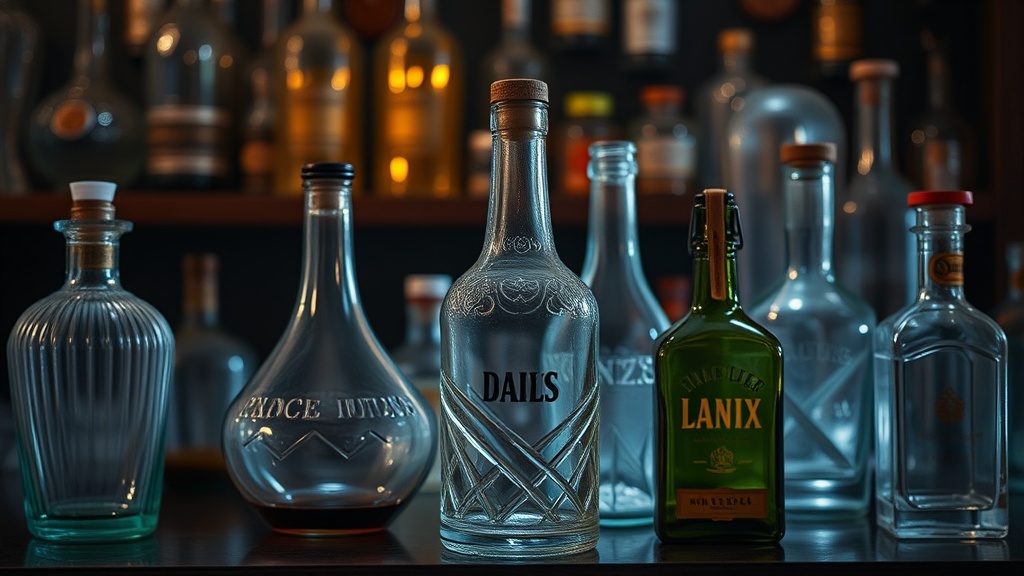
Why Collectors Prioritize Glass Integrity in Rare Bottle Sets

A single hairline fracture can strip a hundred-dollar bottle down to a twenty-dollar piece in a matter of months. While most collectors focus on the labels or the liquid inside, the structural integrity of the glass itself is often the most overlooked variable in long-term value retention. This post examines why glass quality matters, the specific ways vessels fail, and how to identify high-quality stock before you commit your budget.
The physical structure of a bottle isn't just a container; it's a piece of engineered art. When we talk about high-end spirits or vintage soda bottles, we aren't just talking about a vessel—we're talking about the ability of that glass to withstand time, pressure, and even slight temperature shifts. If the glass is poorly annealed or contains internal stresses, the collection is essentially a ticking time bomb of breakage.
What causes glass to crack over time?
It isn't always a sudden drop or a clumsy hand. Often, it's a slow, invisible process. There are three main culprits that collectors face daily: thermal shock, chemical erosion, and physical stress. Thermal shock occurs when a bottle experiences a rapid change in temperature—think moving a bottle from a cold basement to a warm display-case light. This creates a tension between the inner and outer layers of the glass.
Chemical erosion is a more insidious problem, especially with older vintage bottles. Over decades, the interaction between the liquid and the glass can actually leach minerals or change the pH level of the environment inside the vessel. This can lead to "glass disease" or crizzling, where the glass becomes structurally unsound and begins to weep or flake. You can learn more about the chemical stability of glass through resources like the Glass Association of America, which provides deep technical insights into material science.
- Internal Stress: Occurs during the manufacturing process if the cooling period wasn't long enough.
- External Pressure: Often caused by carbonation or fermentation that continues inside the bottle.
- Environmental Fluctuations: Rapid cycling between heat and cold that weakens the molecular bond.
How can you spot a defect in vintage bottles?
You can't just look at a bottle from a distance and assume it's sound. To truly vet a piece, you need to use specific light sources and techniques. A common mistake is relying on natural light, which can hide micro-fissures. Instead, use a high-intensity LED flashlight and a dark room. By shining the light through the base of the bottle toward your eyes, you can see the way the light refracts through the glass.
If the light hits a jagged or inconsistent line, you've found a crack. Pay close attention to the neck and the punt (the indentation at the bottom). These are the two most vulnerable points. A well-formed punt is a sign of quality manufacturing, whereas a shallow or irregular one might indicate a lower-grade production run that is more prone to breaking under pressure.
The Checklist for Inspection
Before you finalize a purchase, run through this quick mental checklist:
- The Light Test: Does the light pass through the glass smoothly or is it interrupted by dark lines?
- The Weight Test: Does the bottle feel unusually light or unbalanced for its size?
- The Sound Test: If you gently tap the side (never with metal!), does it ring or does it produce a dull thud?
- The Surface Check: Are there any tiny bubbles or "seeds" that look like they might be surface-level pits?
Is it worth paying more for heavy-walled glass?
The short answer is yes. In the world of high-end bottle collecting, weight is often a proxy for quality. Heavier glass, often referred to as heavy-walled glass, is much more resistant to the physical stresses mentioned earlier. It provides a stable center of gravity and handles the pressure of the contents much better than thin-walled glass. If you're looking at a premium vintage piece, don't be afraid to ask the seller about the weight and the thickness of the base.
A sturdier-looking bottle is less likely to suffer from the effects of gravity and vibration during shipping. When you're buying from auctions or private collectors, the thickness of the glass is a major factor in the long-term survival of the piece. You might want to cross-reference the manufacturing standards of the era by checking historical records at The Library of Congress, which houses many historical archives regarding industrial manufacturing.
Keep in mind that even the sturdiest glass can fail if the environment is wrong. Even if you have a thick, heavy-walled bottle, placing it next to a heat source like a radiator or under a high-wattage display lamp will eventually cause the glass to fatigue. The goal is to find a balance between a beautiful aesthetic and a durable physical form. It's a fine line to walk, but once you master it, your collection will stand the test of time much better than those who only look at the label.