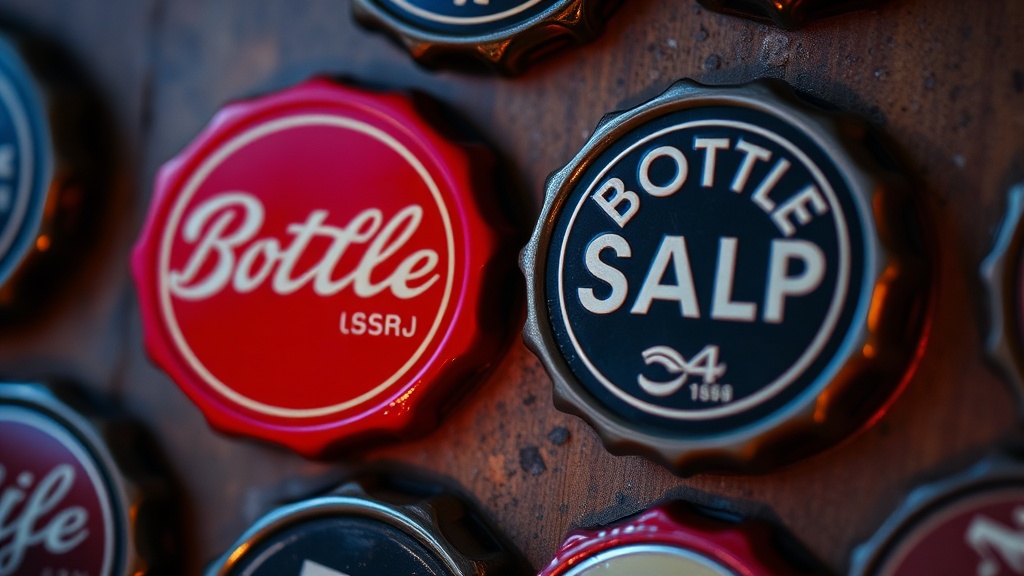
Why Some Bottle Caps Sell for Hundreds While Others Barely Fetch a Dollar

Most people assume bottle caps are nothing more than crumpled bar trash—something you flick into a recycling bin without a second thought. That assumption misses the mark by a wide margin. In serious collecting circles, bottle caps are studied for their manufacturing variations, date codes, printing errors, and regional releases. A standard cap from a major brewery might trade for pennies, but a misprinted 1960s soda cap with a rare color variation can pull in serious money at auction. This post breaks down what separates the junk from the gems—and why the cap on your vintage soda bottle might be worth more than the drink itself.
What Makes a Bottle Cap Valuable to Collectors?
Not all bottle caps are created equal—though you'd never guess that from looking at a bucket of random caps at a flea market. Value comes down to a handful of factors that most casual observers overlook entirely. Age matters, of course. A pre-1960s crown cap with a cork liner carries more historical weight than a modern twist-off. But age alone doesn't guarantee interest. Condition is just as important—collectors want crisp edges, undamaged printing, and liners that haven't turned to dust.
Rarity drives the market more than anything else. Limited-edition releases, promotional caps for regional events, and caps from defunct breweries or soda companies all attract attention. Then there are the errors. A misaligned print, a double strike, or a color that's completely off-brand can turn an ordinary cap into a standout piece. The collecting community at Spruce Crafts has documented dozens of these oddities over the years, and the prices they command at auction often surprise newcomers. It's not about the beer inside—it never was. It's about the story the cap tells and how few examples survive today.
How Do You Spot Rare Manufacturing Variations?
Learning to identify manufacturing differences takes patience, but it's a skill that pays off quickly once you develop an eye for detail. Start by examining the printing. Older caps were often stamped with simpler presses, which means slight misalignments aren't uncommon—but major errors are where the money lives. Look for caps where the logo bleeds beyond the edge, where text is doubled, or where the color palette is clearly wrong for the brand.
Don't ignore the liner, either. Early crown caps used solid cork. Later versions switched to composite materials, and some modern craft brewers have moved to synthetic liners with printed branding underneath. These transitions mark specific eras, and collectors who can date a cap by its liner alone have a real advantage at estate sales. Even the metal itself offers clues. Pre-1950s caps often used heavier gauge steel, while mid-century examples transitioned to lighter aluminum. (The difference in weight is subtle, but after handling a few hundred caps, you'll feel it immediately.)
Country of origin stamps can also signal rarity. A cap produced for the Canadian market might carry different markings than its American counterpart—even for the same brand. These regional quirks are exactly why institutions like the Smithsonian have preserved commercial packaging history. The small details that factories ignored at the time are precisely what collectors prize decades later.
Where Should You Look for High-Value Bottle Caps?
Finding valuable caps isn't about luck—it's about knowing where to dig. Estate sales remain one of the best sources, especially in regions with old brewery or bottling plant histories. People clean out basements and garages without realizing that rusty coffee tin holds fifty years of local brewing history. Flea markets can yield surprises too, though the best pieces often surface early in the morning before casual buyers arrive.
Online marketplaces like eBay have broadened the hunt, but they've also inflated prices for obvious rarities. The real wins come from poorly listed lots—auctions titled "old bottle caps" with blurry photos and no mention of brands or dates. That's where knowledge becomes profitable. Building relationships with other collectors through forums and local clubs opens doors to trades and private sales that never hit the open market. Just be wary of reproductions. Some modern companies produce retro-style caps that look aged at first glance. Check the liner, the metal gauge, and any printed date codes before you commit to a purchase that looks too good to be true.
What's the Best Way to Store Bottle Caps Long-Term?
Once you've started finding interesting pieces, storage becomes a real concern—not an afterthought. Tossing caps into a glass jar might look charming on a shelf, but metal-on-metal contact scratches printing and damages edges over time. Worse, trapped moisture turns steel caps into rusted disks faster than you'd expect. The goal is stability: individual pockets, controlled humidity, and materials that won't react with the metal or any remaining cork.
Acid-free cardboard holders with clear polypropylene windows work well for display and protection. Avoid PVC-based plastics; they break down over time and can leave residue on printed surfaces. If you're storing caps with cork liners, keep humidity moderate—too dry and the cork crumbles, too damp and mold becomes a problem. Some collectors use silica gel packets in storage boxes, swapping them out seasonally. (It sounds fussy until you open a box ten years later and find everything exactly as you left it.)
Organization matters too. A disorganized collection is a forgotten collection. Sort by brewery, era, or geographic region—whatever system keeps you engaged. Photograph your best pieces and maintain a simple inventory. When it comes time to sell, trade, or insure your collection, that documentation saves hours of frustration and proves provenance to serious buyers.
Is Bottle Cap Collecting Still Worth Starting Today?
It's easy to look at a hobby this specific and wonder if all the good stuff has already been found. That couldn't be further from the truth. The craft beer boom has created an entirely new category of limited-release caps that collectors are already tracking. Microbreweries produce small-batch caps for anniversary beers, collaboration releases, and regional festivals—many of which become scarce within months. Today's common taproom giveaway could be tomorrow's sought-after variant.
The community itself has grown more organized too. Online groups share photos of new finds, debate grading standards, and warn members about fakes circulating at market. Major auction houses have even started including rare advertising lots that feature vintage caps alongside bottles and trays. The barrier to entry is low—you can start with whatever's in your recycling bin—but the ceiling for specialization is surprisingly high. Whether you're hunting down a 1940s cork-lined crown or tracking a modern craft brewery's seasonal rotation, there's room in this niche for whatever angle grabs your interest.
Just don't expect to get rich overnight. Bottle cap collecting rewards curiosity and consistency more than anything else. The collectors who build the most impressive collections aren't the ones with the deepest pockets—they're the ones who show up week after week, ask better questions, and learn to spot the differences everyone else misses. That's the real appeal. Not the money, though a rare sale never hurts. It's the satisfaction of rescuing a piece of commercial history from a junk drawer and giving it the attention it deserved all along.