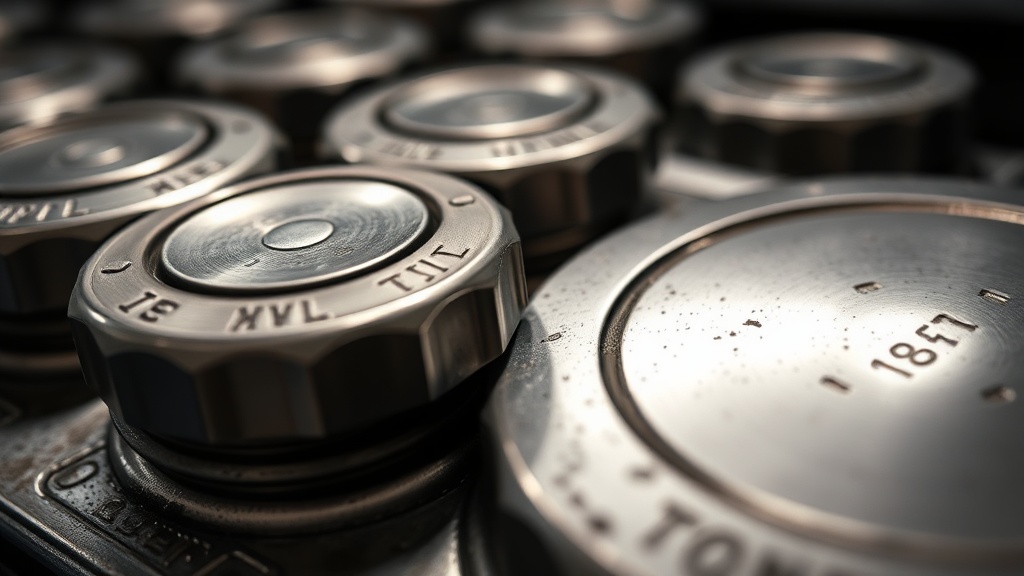
Cleaning Metal Caps Without Ruining the Finish

Quick Tip
Always use a pH-neutral cleaner and avoid abrasive tools to protect the delicate paint layer.
How Do I Clean Metal Bottle Caps Without Damaging the Finish?
You’ve just found a beautiful vintage metal cap—perhaps a weathered tin or a branded aluminum piece—but it’s covered in sticky residue or light oxidation. If you scrub too hard with an abrasive, you'll strip the paint or scratch the surface, instantly tanking the value. This post covers the safest methods for removing grime while preserving the integrity of the metal and its decorative elements.
The golden rule for metal collectibles is to use the gentlest touch possible. You want to remove the dirt, not the history. (Trust me, once you scratch a rare finish, there's no going back.)
What Is the Best Way to Remove Rust and Grime?
The best way to clean metal is to use a mild, pH-neutral soap solution and a soft-bristled brush. Avoid harsh chemicals like bleach or heavy-duty degreasers, as these can cause discoloration or chemical reactions on older metals.
Depending on the level of buildup, you'll need different tools. Here is a quick guide to what works for different types of grime:
| Type of Grime | Recommended Method | Tool to Use |
|---|---|---|
| Sticky Residue | Warm water and mild dish soap | Soft microfiber cloth |
| Light Oxidation | Distilled water and a soft brush | Soft toothbrush |
| Stubborn Dirt | A very diluted vinegar solution | Cotton swab |
If you're dealing with a piece that has delicate paint, skip the submersion method entirely. Instead, dampen a cloth and dab the area. This prevents liquid from seeping into crevices where it might cause internal corrosion—a common issue with vintage metal caps.
For more on maintaining the value of your items, check out my post on how to store loose bottle caps to prevent damage before it even starts.
How Do I Prevent Corrosion on Vintage Metal?
Preventing corrosion requires keeping the metal dry and stored in a controlled environment. Moisture is the enemy of vintage metal, especially if the protective coating has already begun to thin.
Follow these steps for long-term preservation:
- Dry thoroughly: Never leave a cleaned cap to air-dry near a sink. Use a soft cloth to pat it dry immediately.
- Avoid humidity: Store your collection in a cool, dry place. High humidity can lead to rapid oxidation.
- Use microcrystalline wax: For certain types of metal, a very thin layer of microcrystalline wax can act as a barrier against moisture.
It's worth noting that if a piece is truly rare, sometimes leaving the patina alone is the smartest move. A little bit of "character" is often expected in the high-end market. If you're worried about the structural integrity of a piece, it's helpful to understand why collectors prioritize integrity in their sets, as metal and glass often share similar preservation needs.
Stick to the gentle stuff. A little patience goes a long way in keeping your collection looking sharp.